Stand Tall, Breathe Deep: Revive Your Afternoon Energy
Shake off the post-lunch fog with simple standing mobility flows blended with focused breathwork designed to beat the afternoon slump. In just a few minutes, wake up stiff hips, open your chest, and sharpen attention through calm, rhythmic breathing. No mat, no change of clothes, just your body, your breath, and smart cues you can repeat anywhere, every weekday, without fail. Bookmark this page, try the reset today, and tell us which blend kept you brightest.
Your Body Clock and the 2 p.m. Dip
Most people feel a predictable lull between midafternoon hours as homeostatic sleep pressure rises and the circadian curve naturally tilts downward. Instead of fighting it with sugar, use brief upright movement and controlled breathing to increase arousal gently, protecting focus while avoiding the jittery crash that stimulants often provoke minutes later.
Sitting Stiffness, Brain Fog, and Blood Flow
Hours of chair time reduce ankle and hip movement, restrict thoracic rotation, and compress the diaphragm, which together can limit effective circulation and shallow your breathing. Standing mobility frees joints to act like pumps, refreshing blood flow to muscles and brain, while fuller exhales restore carbon dioxide balance that steadies attention.
Breath as a Switch for Focus and Calm
Lengthening exhalation nudges the parasympathetic branch, lowering unnecessary tension while preserving clarity. Pair that with deliberate, slightly deeper nasal inhalations to expand the ribs and back. The result is calm vigilance, not drowsiness, perfect for finishing projects, thoughtful conversations, or careful analysis when the clock drifts toward late afternoon.
Quick Start: A Three-Minute Standing Reset
Minute One: Ankles, Hips, and Spine Wake-Up
Stand tall, feet under hips, and roll through ankles slowly, then perform gentle hip circles, letting knees soften. Sweep arms forward as you segment the spine from tail to crown, then reverse. Breathe in through the nose, exhale longer, noticing warmth gather as balance and articulation quietly return.
Minute Two: Shoulder Arcs with Nasal Inhales
Trace wide arcs with relaxed shoulders, palms turning up and down to explore rotation without pinching. Inhale smoothly through the nose as arms rise, feel ribs broaden, exhale longer as they descend. Keep jaw soft and eyes steady, freeing neck tension while posture lifts and breath deepens together.
Minute Three: Box Breathing to Seal the Reset
Stand grounded, inhale for four, hold for four, exhale for four, hold for four, adjusting counts to comfort. Keep shoulders low and pelvis neutral. After several cycles, notice calmer alertness, smoother eye tracking, and a clearer plan for the next task forming without strain or rush.
Form Matters: Safe Alignment for Real Results
Good form turns tiny breaks into genuine recovery. Aligning feet, knees, pelvis, ribs, and head prevents compensation that steals energy or irritates joints. Thoughtful breathing mechanics reduce neck overwork and improve oxygen delivery. Small details accumulate across weeks, transforming midafternoon drags into confident sessions of steady, sustainable productivity.
Distribute weight evenly across heel, big toe, and little toe, letting arches spring rather than collapse. Knees should track over second toes without locking. Encourage gentle ankle dorsiflexion and calf length as you move, which protects knees, supports balance reactions, and keeps the spine from doing excess stabilizing work.
Many people chase tall posture by thrusting ribs forward and tilting the pelvis anteriorly, compressing the lumbar spine. Instead, stack ribs over pelvis, soften glutes slightly, and breathe into the back and sides. This creates length without strain, improving endurance during standing flows and enhancing diaphragmatic excursion effortlessly.
Keep the back of the neck long by subtly tucking the chin and reaching the crown upward, avoiding scrunching. Let gaze land softly on a stable point straight ahead. Combined with slow nasal breathing, this reduces sympathetic overdrive, quiets jaw tension, and elevates presence for calls, writing, or design.
Stories and Science that Keep You Consistent
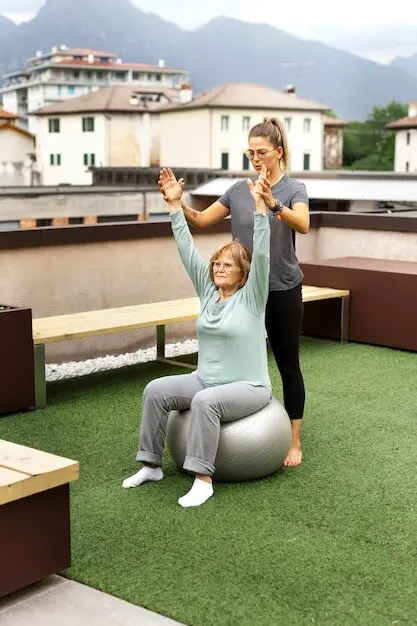
Evidence and lived experience together create trust. Micro-break studies suggest that brief movement and breath practices can improve vigor and reduce perceived fatigue without harming performance. Pair those signals with relatable stories, and habits stick, because results feel real in bodies and calendars, not just in abstract intentions.
Blends for Different Workdays
Not every afternoon feels the same, so tailor combinations of standing mobility and breathwork to the day’s demands. Choose gentler arcs and longer exhales for frazzled nerves, crisper joint patterns and brighter inhales for sluggish moments, and balanced tempos when you need steady, thoughtful momentum without spikes or dips.
Make It Stick: Rituals, Timers, and Community
Consistency beats intensity. Schedule two to three brief resets during your lowest energy window, protect them like meetings, and keep them playful. Use a recurring timer, place a cue by your monitor, and invite a friend. Shared accountability transforms good intentions into dependable, energizing micro-rituals that brighten every afternoon.

All Rights Reserved.