Mindfulness in Motion: Qigong with Gentle Strength for Soothing Stress
Today we explore Mindfulness-in-Motion: Qigong and light strength combinations for stress relief, weaving breath-led flow with approachable resistance to settle nerves, clear tension, and restore presence. Expect clear guidance, practical sequences, encouraging stories, and science-backed insights designed to help you feel grounded, capable, and calmly energized in everyday life.
Calm the System Through Intentional Movement
When breath, posture, and slow, deliberate effort align, the nervous system receives a powerful message of safety. Qigong’s graceful patterns and carefully dosed strength cues the body to downshift, easing tight shoulders, jumpy thoughts, and restless energy. This is a compassionate path, welcoming beginners and seasoned movers, inviting curiosity over intensity and sustainable ease over quick fixes.
Foundations: Stances, Breath, and Soft Resistance
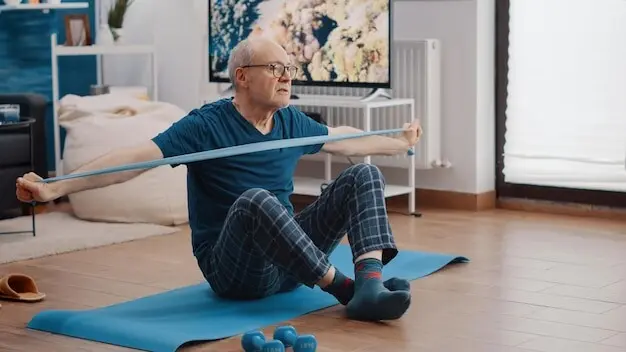
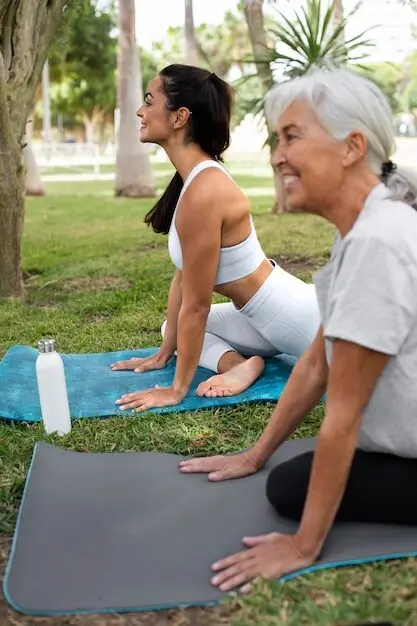
Start with simple stances that balance stability and ease, then thread breath through every shape. Add soft resistance sparingly, focusing on control and timing rather than fatigue. These fundamentals protect joints, enhance fluidity, and make each session feel refreshingly approachable, even on hectic days with limited space or energy.
Ten-Minute Flows for Clearer Mornings and Softer Evenings
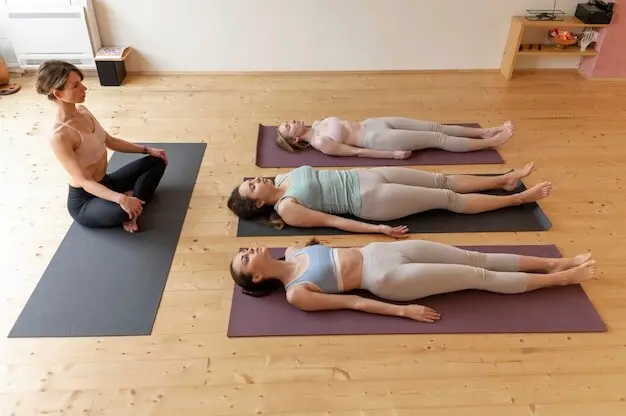
Micro-practices fit inside real schedules and still shift mood meaningfully. These ten-minute blends pair Qigong circulation drills with gentle resistance finishers, so you end energized yet calm. Keep movements smooth, eyes soft, and breath honest. When consistency beats perfection, stress loses leverage and recovery finally feels attainable.
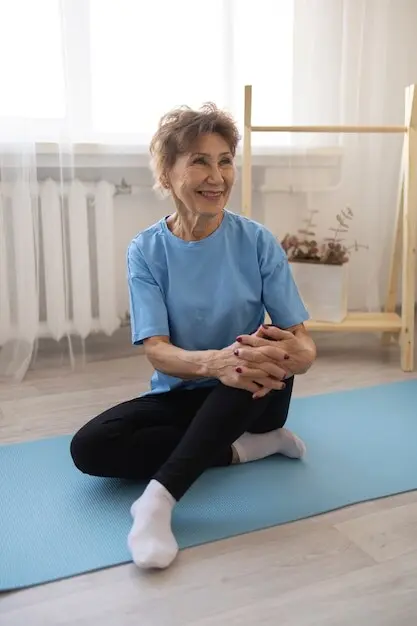
Science Corner: Why Slow Flow and Gentle Load Help
Research suggests slow, coordinated movement and breath can reduce cortisol, improve heart rate variability, and sharpen attention. Light resistance boosts proprioceptive clarity, lending the brain confidence signals that settle vigilance. When effort matches capacity, the body stops bracing, the mind stops scanning, and recovery accelerates meaningfully over weeks.
Stories from the Mat: Real Lives, Gentle Wins
Change often arrives quietly. A project manager found commuting calmer after three weeks of morning flows. A new parent reclaimed steadiness using banded pull-aparts between feedings. A teacher slept deeper after evening sequences. Small, honest practice compounded into confidence, soft strength, and kinder self-talk through messy, beautiful days.
From Jittery Afternoons to Centered Evenings
Elena stacked two five-minute practices: a desk reset at three o’clock, then a short unwind before dinner. The jittery buzz faded, replaced by a grounded, conversational energy. Her partner noticed fewer sighs, softer shoulders, and a willingness to pause before reacting when schedules went sideways.
Rebuilding After Burnout, One Breath at a Time
Marcus started with only breath and posture for a week, then added tiny band work. He measured progress by patience, not pounds. The day he noticed laughter returning during a commute, he realized he was healing. No perfect plan, just repeatable, kind attention stitched into movement.
Finding Strength Without War on the Body
Priya swapped intense circuits for mindful intervals, protecting her knees while regaining trust in motion. Light halos strengthened her shoulders, Qigong spirals freed her back. She now describes workouts as meetings with herself: respectful, productive, and oddly joyful, even on days that once felt impossible.
Safety, Accessibility, and Sustainable Progress
Your practice should feel invitational, not obligatory. Pain is a message, not a mandate to push harder. Scale volume, load, and tempo to match sleep, stress, and schedule. Replace self-critique with curiosity. When you listen closely, capacity expands naturally, and consistency becomes an almost effortless habit.
Red Flags and Gentle Course Corrections
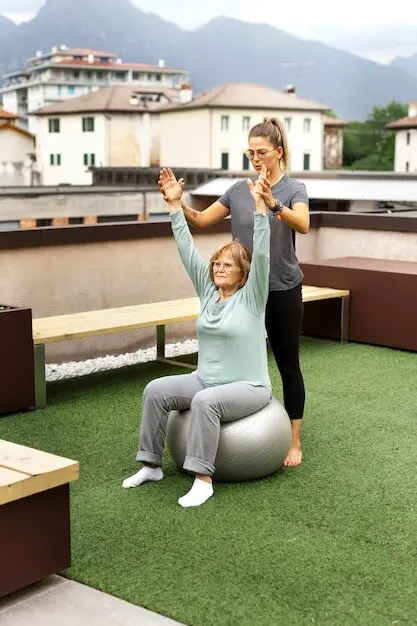
Sharp pain, breath-holding, or rising panic means pause. Downshift to smaller ranges, lighten load, or return to standing stillness with wave breathing. If relief arrives, continue softly. If symptoms persist, consult a professional. Safety supports bravery, turning practice into a trustworthy sanctuary rather than another source of strain.
Scaling That Honors Today’s Energy
Choose a repeat number that allows smooth last reps and calm facial muscles. Keep a conversational breath throughout. On hard days, halve sets and celebrate presence. On strong days, add a single controlled round. This flexible dial keeps momentum alive without burning the candle from every corner.
Breath-First Modifications for Every Body
Seated flows, wall support, and cushion assists keep breath unstrained and posture friendly. If balance wobbles, widen stance and slow transitions. If shoulders protest, reduce overhead time and emphasize lower arcs. Let breath lead pacing, and write permission slips to pause. Progress hides inside patience and precision.

All Rights Reserved.